Minimally Invasive Surgery: Is Laparoscopy Right for You?
Laparoscopic surgery uses small incisions and a camera. Learn the benefits, the limits and how your surgeon decides.
How it works
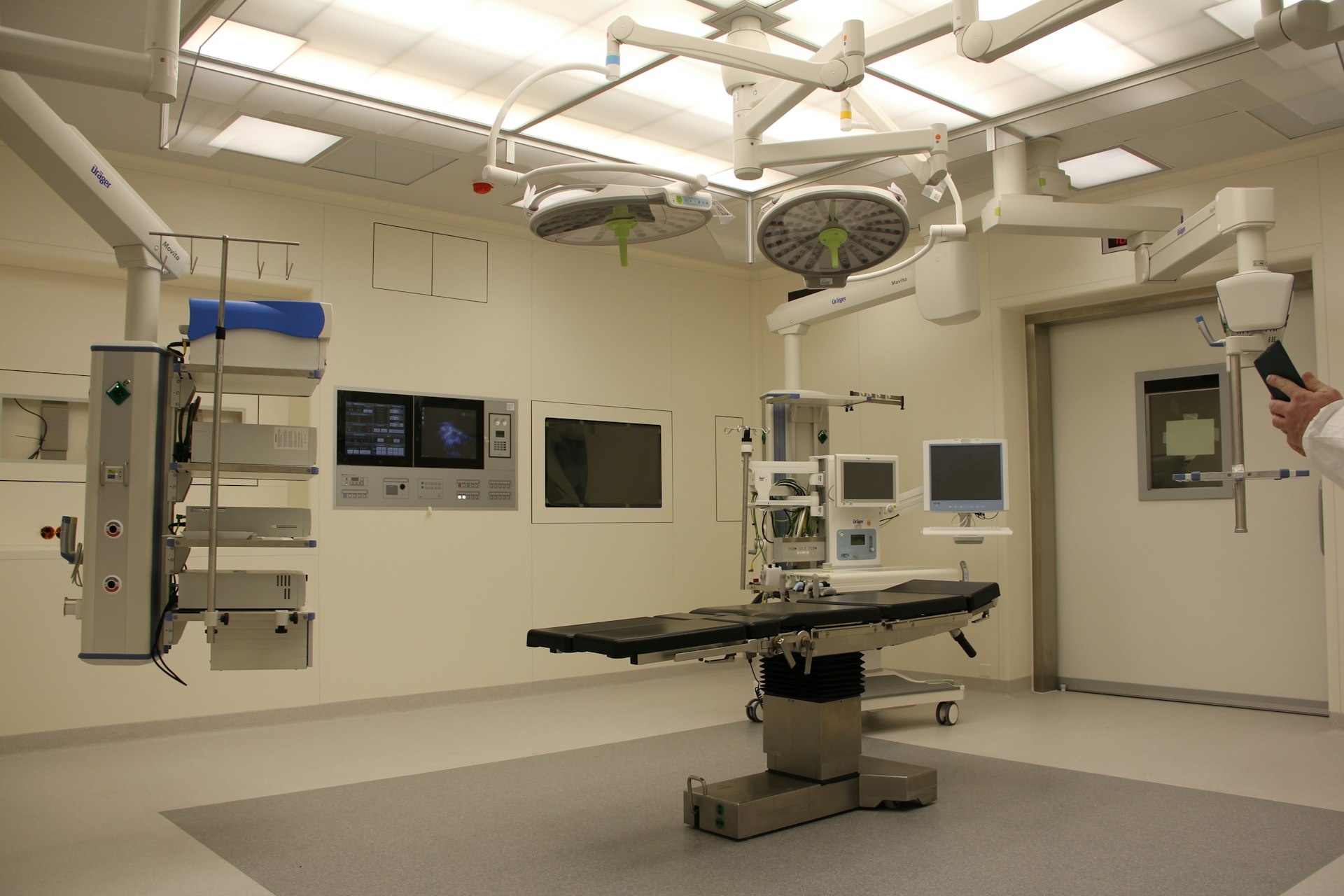
Instead of one larger incision, the surgeon makes a few small ones. A thin camera (laparoscope) shows the inside of the abdomen on a screen, and specialized instruments are used to perform the operation.
Potential benefits
- Smaller scars
- Less pain after surgery for many patients
- Shorter hospital stay — often same-day discharge
- Quicker return to normal activities
Common laparoscopic procedures
Dr. Mossadegh, who completed a fellowship in advanced minimally invasive surgery, performs laparoscopic gallbladder removal, appendectomy, hernia repair, diagnostic laparoscopy and lysis of adhesions.
Is it right for everyone?
Not always. Previous surgeries, certain medical conditions or the nature of the problem may make an open operation safer. Occasionally a laparoscopic operation is converted to open during surgery for safety — this is good surgical judgment, not a failure.
The bottom line
The best approach is the one that is safest for you. Dr. Mossadegh will discuss the options and her recommendation at your consultation.
This information is educational and is not a substitute for medical advice. Please talk with Dr. Mossadegh about your specific situation.