What to Expect Before and After Hernia Surgery
Hernia repair is one of the most common operations in the U.S. Here is what the process looks like — from your consultation to getting back to normal.
Why hernias are repaired
A hernia is a bulge where tissue pushes through a weak spot in the abdominal wall or groin. Hernias don’t heal on their own, and many slowly get larger or more uncomfortable. Repair relieves symptoms and prevents a rare but serious complication — a hernia that becomes trapped (incarcerated).
Your consultation
Dr. Mossadegh will examine the hernia, review your health and explain whether an open or laparoscopic repair is best for you. Bring a list of your medications and any questions. If you take blood thinners, you’ll receive instructions on whether and when to pause them.
The day of surgery
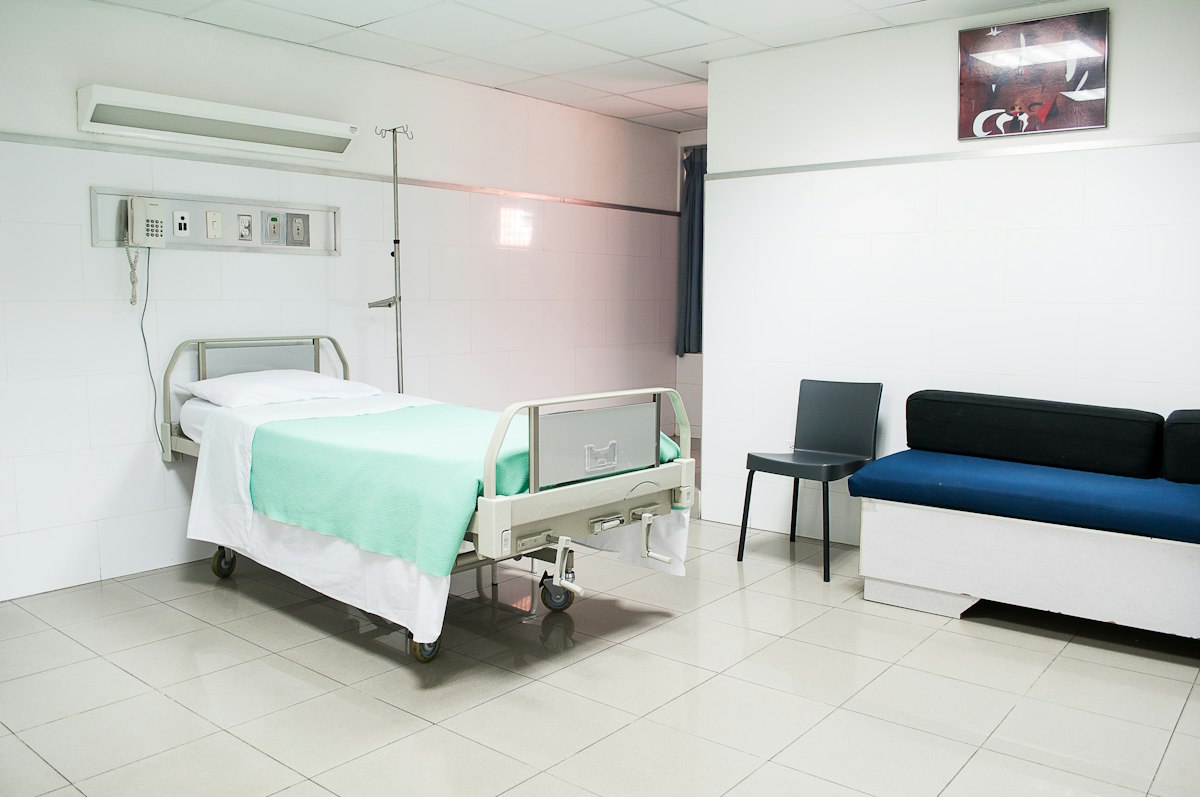
Most hernia repairs are outpatient. You will not eat after midnight, arrive at the hospital or surgery center, meet the anesthesia team and go home a few hours after the procedure. You’ll need an adult to drive you.
The first two weeks
- Walk several times a day from the first day
- Expect soreness that improves steadily; use pain medicine as directed
- Hold a pillow against your abdomen when you cough or get up
- Avoid heavy lifting for as long as Dr. Mossadegh advises
Getting back to normal
Many people return to desk work in one to two weeks. Jobs that involve heavy lifting may need more time. At your follow-up visit, Dr. Mossadegh will check your healing and clear you for more activity.
This information is educational and is not a substitute for medical advice. Please talk with Dr. Mossadegh about your specific situation.